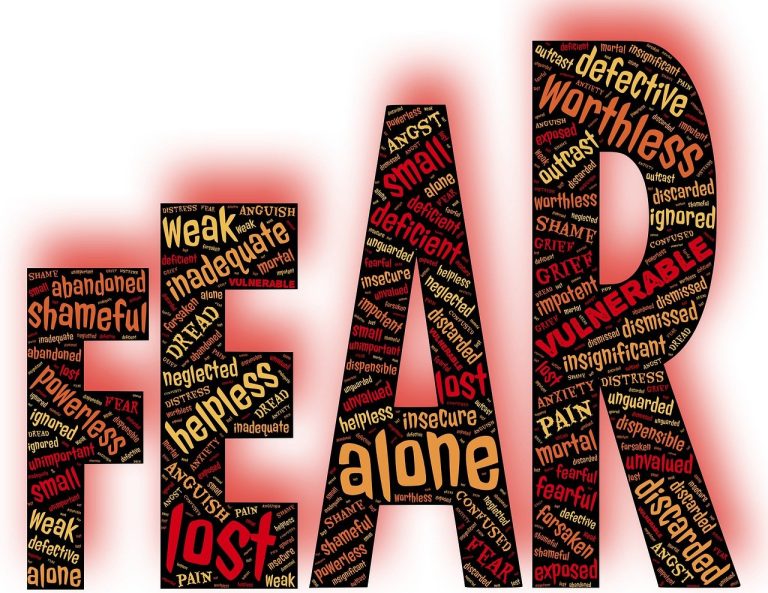
4 Authentic Reasons Why Husbands Should Research Their Mental Health
4 Authentic Reasons Why Husbands Should Research Their Mental Health is a much needed conversation. Does this apply to you?
Husbands often find themselves juggling multiple roles and responsibilities. Amid the hustle and bustle, it’s easy to overlook their mental and emotional well-being. This post explores the importance of prioritizing a husband’s mental and emotional well-being. We will list statistics and references that shed light on this crucial aspect of life.
Understanding the Challenges

Many husbands face significant challenges in their daily lives, from work-related stress to family responsibilities. According to a study published in the journal “Men and Masculinities,” societal expectations often pressure men to suppress their emotions and prioritize traditional masculinity. Here are three areas that illustrate this point.
1. Avoiding Vulnerability
Many men receive conditioning to avoid displaying weakness or seeking emotional support. They actively suppress feelings of sadness, fear, or anxiety to maintain an appearance of strength and resilience. Consequently, this self-imposed emotional suppression can result in isolation and an inability to seek help when necessary.
2. Minimizing Pain
In some cases, men may downplay physical or emotional hurt to meet the expectations of traditional masculinity. They ignore health concerns, push through injuries, or don’t seek medical attention when necessary. They do this to preserve an image of toughness.
3. Hiding Grief
Grief is a natural human emotion, but traditional masculinity often discourages men from openly expressing misery or sadness. They might hide their sorrow following a loss or tragedy, fearing that acknowledging their emotions will be seen as a sign of weakness.
These examples highlight the societal pressures that encourage men to suppress their emotions and conform to traditional ideals of masculinity, which can have negative consequences for their mental and emotional well-being.
Statistics on Husband’s Mental Health

1. Work Related Stress
A survey conducted by the American Psychological Association (APA) found that work-related stress is a significant concern for men. Approximately 69% of men reported work as a significant source of stress in their lives.
2. Depression and Anxiety
The National Institute of Mental Health (NIMH) reports that men are less likely than women to be diagnosed with depression and anxiety disorders. However, this may be due to underreporting, as men often display different symptoms or cope with substance abuse or anger.
The Importance of Seeking Help
Encouragingly, the stigma surrounding men’s mental health is slowly diminishing. More husbands are recognizing the value of seeking help when needed. Studies have shown that professional counseling or therapy can positively impact mental and emotional well-being.
Authentic Reasons Why Husbands Should Explore Their Mental Health
1. Improved Relationships
A husband’s emotional well-being directly impacts his relationships, including his marriage. Prioritizing mental health fosters open communication and emotional intimacy.
2. Enhanced Productivity
Managing stress and emotions affects a husband’s performance at work, leading to career success.
3. Positive Role Modeling
By addressing their own mental health, husbands set a positive example for their children and encourage them to prioritize their well-being.
4. Greater Resilience
Resilience in the face of life’s challenges is a byproduct of good mental health, allowing husbands to navigate obstacles with strength and grace.
Conclusion
A husband’s mental and emotional well-being is essential for his personal happiness and the well-being of his marriage and family. Statistics and references highlight the importance of recognizing and addressing mental health concerns, encouraging husbands to seek support when needed, and fostering a culture of emotional openness and well-being within families.
Challenge
I encourage you to consider this post and really take a look at your life. Does any of the content resonate with you? Are there areas that you are hurting? Take the time to explore and talk to someone. Lets grow together!