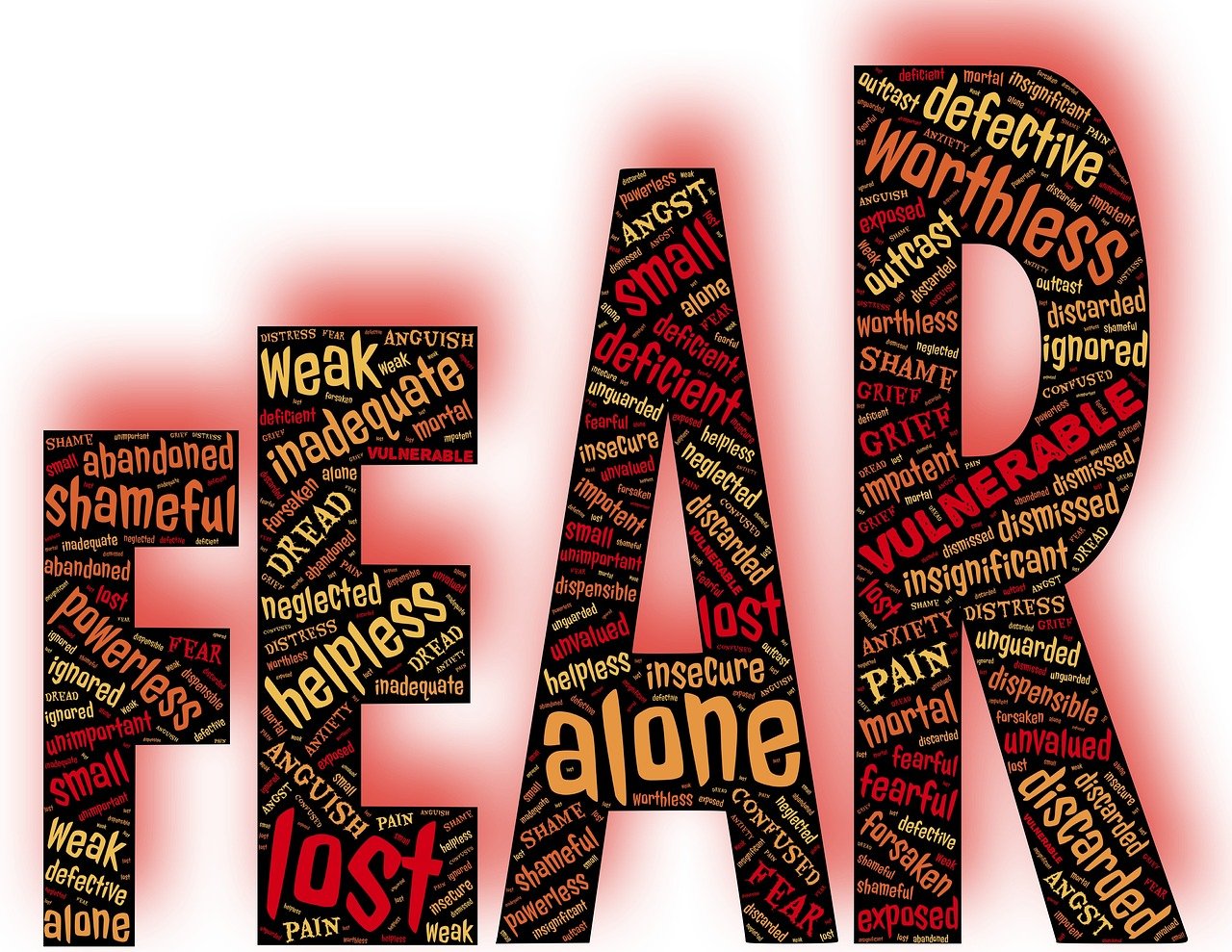
Fearful-Avoidant – Understanding the 4 Attachment Styles: A Journey to Healthy Relationships – Part 5
Fearful-Avoidant – Understanding the 4 Attachment Styles: A Journey to Healthy Relationships – Part 4 continues a very challenging conversation.
In the fifth installment of our series on attachment styles, we delve into the intricate realm of the fearful-avoidant attachment style. This attachment style, rooted in early life experiences, significantly influences how individuals approach adult relationships.
We will explore its origin, meaning, and its impact on adult connections, while also providing guidance on transitioning towards a more secure attachment style.
Origin of the Fearful-Avoidant Attachment Style
The concept of the fearful-avoidant attachment style is grounded in attachment theory, first pioneered by John Bowlby and further developed by Mary Ainsworth.
This attachment style typically emerges from early experiences characterized by unpredictability and inconsistency in caregiving. These experiences can lead to a sense of fear and insecurity in relationships.
Understanding the Fearful-Avoidant Attachment Style
Individuals with a fearful-avoidant attachment style often find themselves caught in a push-pull dynamic. They crave emotional intimacy and connection, yet they simultaneously fear it.
At the root of the fearful-avoidant attachment style is usually the belief that those around them will hurt or reject them. This is a combination of the axious-preoccupied and dismissive-avoidant attachment styles. They feel as if they are unlovable and are fearful that no one will support or accept them.
This attachment style is considered the worst in terms of negative outcomes.
Key Characteristics of This Attachment Style Include:
1. Ambivalence
Fearful-avoidant individuals experience ambivalence in their relationships. They desire closeness but fear it, leading to a constant inner conflict. The constant push and pull can be frustrating for the partner.
Example: Fearful-avoidant individuals may suddenly withdraw from social or romantic activities without clear explanations, creating confusion and frustration for their partners. They have internal tormoil with this struggle.
2. Intense Fear of Abandonment
This attachment style is marked by an overwhelming fear of abandonment, often stemming from early traumatic experiences.
Example: They may suddenly pull away after being triggered by a movie, conversation, or thought. They may say something like, “I just need some space for a minute.” This leaves the partner confused. This behavior is rooted in fear.
3. Disorganized Behavior
Fearful-avoidant individuals can exhibit erratic or disorganized behavior in their relationships, making it challenging for both themselves and their partners to understand and predict their actions.
Example: They may provide contradictory statements or mixed signals regarding their feelings and commitment. For instance, they might say, “I need you in my life, but I’m not sure I can handle a long-term commitment.”
4. Trust Issues
They often struggle with trust, fearing betrayal or abandonment, which can create a sense of insecurity in the relationship. You can imagine how the partner is confused.
Example: Trust can be a significant challenge for them. They may have difficulty trusting their partner’s intentions and may express doubts or suspicion, even when their partner has given them no reason to distrust. This can lead to many arguments.
Examples of How the Fearful-Avoidant Attachment Style Affects Adult Relationships:
- Hot-and-Cold Behavior: Fearful-avoidant individuals may exhibit hot-and-cold behavior, oscillating between seeking closeness and pushing their partners away. This inconsistency can create confusion and frustration in their relationships.
- Deep Trust Issues: They may have deep-seated trust issues that affect their ability to fully commit to a relationship or feel secure within it.
- Difficulty with Vulnerability: Expressing vulnerability can be challenging for them, and they may avoid sharing their deepest emotions or insecurities with their partners.
- Conflict Avoidance: In an effort to maintain a sense of control, they may avoid conflicts or important conversations in the relationship, leading to unaddressed issues and emotional distance.
- Struggles with Long-Term Commitment: Fearful-avoidant individuals often find it challenging to commit to a long-term, secure relationship, as they fear the potential for future abandonment.
Tips on Moving Towards a Secure Attachment Style
Transitioning from a fearful-avoidant attachment style to a more secure one is possible with self-awareness and effort.
Here are some tips to consider:
- Self-Reflection: Engage in self-reflection to understand the root of your attachment style and its effects on your relationships.
- Seek Therapy: Professional therapy or counseling can help individuals with a fearful-avoidant attachment style work through their fears, traumas, and emotional challenges.
- Communicate Openly: Practice open and honest communication with your partner about your attachment style and the challenges it poses. Work together to build a more secure connection.
- Emotional Regulation: Learn to manage your emotions and develop better emotional regulation, allowing for more stable and secure relationships.
- Gradual Change: Transitioning to a secure attachment style may take time, so be patient with yourself and your partner as you make these changes.
Biblical Perspective
While attachment theory is primarily a psychological concept, biblical verses like 2 Timothy 1:7, which speak to the idea that God has not given us a spirit of fear but of power and love, can offer guidance on finding strength and love within relationships.
They need to understand that the intense fear is not of God. There are plenty of scriptures where God reminds us that He is with us, loves us, and wants the best for us. Therapy can help to redirect the mind and help cope with the sudden and intense feelings.
Conclusion
In this blog, we’ve explored the fearful-avoidant attachment style, its origins, and its impact on adult relationships. We’ve also provided tips for moving towards a more secure attachment style.
In the next part of our series, we’ll delve into how the combination of different attachment styles affects marriages and relationships.
Thoughts? Helpful? Let us know in the comment section.